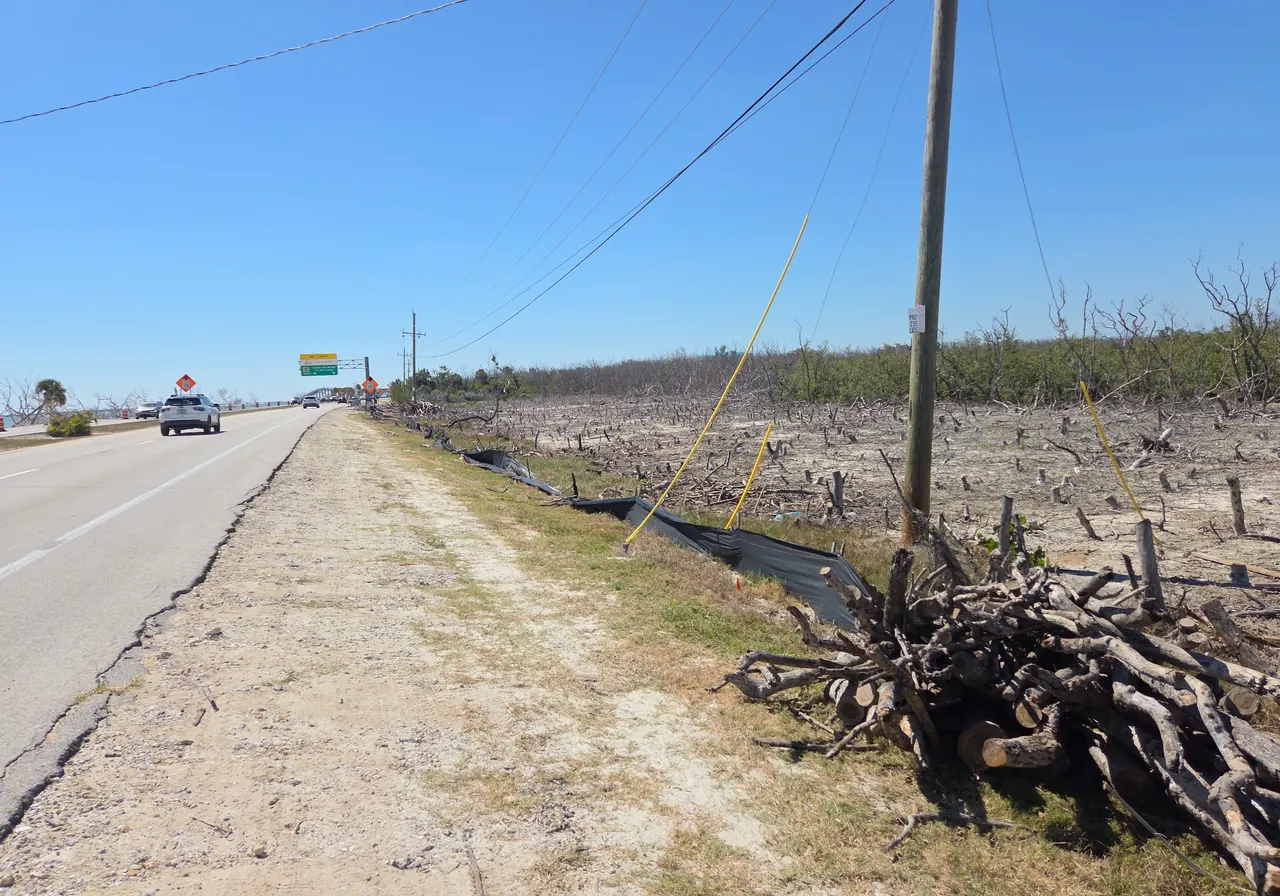
Land Clearing & Lot Clearing in Southwest Florida
Clear and prep lots for building and landscaping
Davie Tree Service clears residential lots and land throughout Southwest Florida, from single vacant parcels to overgrown acreage. We remove trees, brush, undergrowth, invasive exotics, stumps, and roots, then leave the site graded and ready for your builder, fencer, or landscaper. We are licensed and insured, carry $1 million in liability coverage, have served the region since 1984, and provide free written quotes.
What's Included
Land clearing means turning a parcel you cannot even walk across into a clean, usable site. Every clearing job from Davie Tree Service starts with a site walk and ends grade-ready, with the debris handled the way you choose. Here is what is included when we clear a lot in Southwest Florida.
Tree, brush, and undergrowth removal
We remove standing trees, palmetto thickets, brush, and dense undergrowth from lots of any size across Lee and Collier counties. Vegetation is cut, gathered, and processed rather than pushed into piles and abandoned. The result is a parcel you can walk, measure, and build on.
Invasive and exotic species removal
We target Category I invasive exotics common to the region, including Brazilian pepper, melaleuca, and Australian pine. These species resprout if they are only trimmed, so we cut, treat, and haul them to keep them from coming back. Many projects in the region include removing them, and we recommend confirming any requirements that apply to your parcel with the local authority.
Grubbing and root removal
We handle grubbing, which is the removal of stumps, roots, and buried debris below the surface so the ground is stable for foundations and slabs. Our crews and vetted local partners grind stumps six to twelve inches below grade or excavate root masses where a builder needs clean subgrade. This step is what separates a mowed lot from a build-ready one.
Debris handling and grade-ready cleanup
You choose how the debris leaves: full hauling, chipping into mulch, forestry mulching in place, or burning only where it is permitted. We finish by rough grading the surface so the next contractor can bring in fill, compact, and set forms. Every job leaves the lot cleaner than we found it.
Signs it is time to clear your lot or acreage
You need land clearing when a lot is too overgrown to walk, when you are closing on or preparing to build on a vacant parcel, when you are running a new fence or property line, or when invasive plants like Brazilian pepper are taking over. These are the situations that send Southwest Florida property owners looking for a clearing crew. Davie Tree Service handles all of them, from a single Lehigh Acres lot to reclaiming acreage that got away.
The common thread is that the vegetation now controls the property instead of the owner. Whether the goal is a house, a fence, a pasture, or just a yard you can use again, clearing is the first step that makes everything after it possible.
The lot is too overgrown to walk or measure
If you cannot walk your own lot, it is time to clear it. Vacant parcels in Southwest Florida fill quickly with palmetto, Brazilian pepper, vines, and volunteer trees, and within a few seasons a platted lot becomes an impenetrable thicket. Clearing lets a surveyor find the corners, a builder assess the site, and you finally see what you own.
You are closing on or building on a vacant lot
Clearing a vacant lot is usually the first physical step before building, and it often needs to happen ahead of a building permit and site work. Before a foundation can be laid, the trees, brush, roots, and buried debris have to come out and the ground has to be brought to a workable grade. Timing this early keeps your surveyor, engineer, and builder on schedule.
You are running a fence or a property line
A new fence or a defined property line needs a cleared strip so posts can be set straight and the line stays visible. Overgrowth, especially Brazilian pepper marching along a boundary, hides survey pins and pushes fences off line. We clear the run, expose the corners, and give the fence crew a clean path to work.
Invasive plants are taking over the property
When Brazilian pepper, melaleuca, or Australian pine start to dominate a property, removal becomes urgent because these species spread aggressively and quickly take over anything left uncleared. A pepper hedge along a property line becomes a solid wall in a couple of years. Clearing and treating them early is far easier than fighting an established stand.
Types of land and lot clearing we handle
Davie Tree Service handles the full range of land clearing common in Southwest Florida: residential lot clearing for new construction, partial and selective clearing, brush and undergrowth clearing, forestry mulching, grubbing and root removal, fence line and property line clearing, overgrown acreage reclamation, invasive and exotic species removal, and site preparation to grade-ready condition. Each parcel is different, so we match the method to the terrain, the vegetation, and what the next phase of your project needs.
The three broad approaches are full clearing, selective clearing, and forestry mulching. Full clearing strips a parcel to bare, workable ground for construction. Selective clearing removes what you want gone while protecting specimen trees like live oak or sabal palm. Forestry mulching grinds standing brush into a mulch layer left on the surface. The table below shows what each removes, what it leaves, and where it fits.
Residential lot clearing for new construction
Residential lot clearing for construction removes all trees, brush, stumps, and roots and delivers a rough-graded pad ready for site work. This is the most thorough level of clearing, because a builder needs clean, stable subgrade before fill, compaction, and forms. We sequence the work so the lot moves straight from cleared to grade-ready.
Partial and selective clearing
Selective clearing removes only the vegetation you want gone while preserving the trees worth keeping, such as a mature live oak, a stand of slash pine, or sabal palms. We flag protected and specimen trees during the site walk, then clear around them without damaging root zones or trunks. This suits homeowners who want usable space but not a bare lot.
Brush, undergrowth, and forestry mulching
Brush and undergrowth clearing removes palmetto, vines, saplings, and low growth without necessarily taking the mature canopy. Forestry mulching does the same work with a single machine that grinds standing vegetation into a mulch layer left on the ground. Mulching controls erosion, needs no hauling, and works well on lots where debris removal would be costly or access is tight.
Grubbing, root removal, and site preparation
Grubbing removes stumps, roots, and buried debris below the surface so the ground will support a foundation. Our crews and vetted local partners grind stumps six to twelve inches below grade or excavate root masses where a builder requires clean subgrade. We finish with rough grading so the site is ready for the next contractor to bring in fill and compact it.
Fence line clearing and acreage reclamation
Fence line clearing opens a straight, workable strip along a property boundary so posts set true and the line stays clear. Overgrown acreage reclamation restores larger parcels that have gone wild, whether a former yard, pasture, or wooded tract. On acreage we phase the work, clear access first, then move across the parcel in a planned sequence.
| Approach | What is removed | What is left | Best for |
|---|---|---|---|
| Full clearing | All trees, brush, stumps, and roots | Bare, rough-graded ground | New construction and build-ready pads |
| Selective clearing | Chosen trees, brush, and invasives | Specimen trees and desired canopy | Usable yards that keep mature oaks or palms |
| Forestry mulching | Standing brush and small growth, ground in place | A mulch layer on the surface, larger trees optional | Erosion control, tight access, and no-haul sites |
Southwest Florida lots, invasives, and clearing conditions
Clearing in Southwest Florida is shaped by three regional realities: a huge inventory of vacant platted lots, aggressive invasive exotics, and a wet season that dictates when work is feasible. Lehigh Acres alone holds tens of thousands of vacant lots platted during the 1950s land sales, and many have sat untouched long enough to grow full canopy. Understanding these conditions is what keeps a clearing project on budget and on schedule.
Clearing typically happens ahead of a building permit and site work, and permit requirements vary by city and county across Lee and Collier counties. Rules change over time, so Davie Tree Service can point you in the right direction and help confirm what is needed before work begins. We plan the clearing so it lines up with your surveyor, engineer, and builder.
Why invasive exotic removal matters in Southwest Florida
Category I invasive exotics like Brazilian pepper, melaleuca, Australian pine, earleaf acacia, and carrotwood are common across Southwest Florida, and removing them is one of the most common reasons Southwest Florida owners clear land. These species crowd out native growth, spread fast from seed and root, and resprout if only cut. We cut, treat the stumps, and haul the material so the stand does not come back.
Wetland and mangrove buffers on coastal and canal lots
Coastal and canal parcels in areas like Naples and Cape Coral can carry wetland setbacks and mangrove buffers, and mangroves in particular are regulated. Work near mangroves or wetlands needs to be confirmed first, before any vegetation is touched. We identify these features during the site walk and help you verify what is allowed before clearing begins near the water.
Wet season access and timing
The wet season, roughly June through September, affects both the cost and the feasibility of clearing because saturated ground bogs down equipment and slows every phase. Low lots hold standing water, machines rut soft soil, and hauling gets harder. Clearing in the drier months is usually faster and cleaner, so timing your project outside peak wet season can lower cost and reduce site damage.
- Vacant lot inventory: Lehigh Acres and other 1950s platted subdivisions hold enormous numbers of untouched lots that grow full canopy over time.
- Invasive exotics: Brazilian pepper, melaleuca, Australian pine, earleaf acacia, and carrotwood are widespread, spread aggressively, and resprout if they are only trimmed, so clearing them properly means cutting, treating, and hauling.
- Water features: mangroves are regulated and wetland buffers apply on many coastal and canal parcels, so confirm requirements before any nearby work.
- Wet season: roughly June through September, saturated ground raises cost and can make some lots temporarily impassable to equipment.
Our Process
- 1
Site walk, scope, and free written quote
We start by walking the parcel with you to define the scope: what comes out, what stays, where the lines run, and what water features or specimen trees need protection. We look for wetland and mangrove buffers, flag any trees to preserve, and assess access and terrain. You get a clear, free written quote before any work begins, and we can point you toward confirming permit requirements for your city and county.
- 2
Utility locates and sequenced clearing
Before machines move, we arrange utility locates so buried lines are marked and protected. Then we clear in a planned sequence: open access first, drop and process standing trees, clear brush and undergrowth, and handle invasive exotics so they do not resprout. On acreage we phase the work across the parcel. Sequencing keeps the crew safe, protects what you want kept, and moves debris efficiently.
- 3
Grubbing, debris handling, and grade-ready finish
Our crews and vetted local partners grub stumps and roots below the surface where the next phase requires it, and we handle debris the way you chose: hauling, chipping, mulching in place, or burning only where permitted. We manage erosion control on sloped or open ground and finish with rough grading. Grade-ready means the surface is clean and stable enough for your builder or fencer to bring in fill and start work.
What land clearing costs and what drives the price
Land clearing price is driven mostly by acreage, vegetation density, terrain, debris disposal method, and whether grubbing and root removal are included. A quarter-acre lot with light brush costs far less than a wooded acre full of mature trees and Brazilian pepper that has to be grubbed and hauled. Davie Tree Service gives a free written quote after walking the parcel, because the site itself determines the price more than any rule of thumb.
Debris disposal is one of the largest swings in cost. Mulching vegetation in place is usually the least expensive because nothing is hauled, while full hauling of trees, stumps, and roots to a disposal site costs more and can carry disposal fees. Wet conditions, poor equipment access, and any permit or disposal fees all factor in as well.
How acreage, density, and terrain drive cost
Cost rises with acreage, with the size and density of the vegetation, and with difficult terrain. Clearing scattered brush across a flat lot is quick, while removing large hardwoods, thick palmetto, and established invasives from a wet or sloped parcel takes more equipment and time. Grubbing and root removal add cost but are necessary when a foundation or slab is planned.
How debris method and access change the price
Your debris choice and how easily equipment reaches the site both move the price. Mulching in place avoids hauling, chipping produces usable mulch, and full haul-away costs the most but leaves a bare site. Tight access, canal-lot frontage, and wet-season ground all slow the work. Permit or disposal fees, where they apply, are a factor we account for in the written quote.
| Driver | Lower cost | Higher cost |
|---|---|---|
| Acreage | Small single lot | Multiple acres |
| Vegetation density and size | Light brush and undergrowth | Mature trees and dense invasives |
| Grubbing and roots | Surface clearing only | Full stump and root removal |
| Debris method | Forestry mulching in place | Full hauling and disposal |
| Terrain and access | Dry, flat, open access | Wet season, sloped, tight access |
Permits and rules for land clearing in Southwest Florida
Permit requirements for land and lot clearing vary by city and county across Lee and Collier counties, and rules change over time. Davie Tree Service can point you in the right direction and help confirm what is needed before work begins. Clearing typically happens ahead of a building permit and other site approvals, so it pays to verify current requirements early rather than assume.
Some parcels carry added considerations that should always be confirmed first. Mangroves are regulated, and wetland buffers apply on many coastal and canal lots, so work near the water needs verification before anything is cut. Protected or specimen trees and any HOA guidelines may also apply. We help you understand which of these might affect your parcel and recommend confirming the details with the local authority before we start.
Why land clearing is not a DIY job
Land clearing is not a DIY job because it combines heavy equipment, large falling trees, hidden hazards, and buried utilities, any one of which can cause serious injury. A rented mini-excavator or brush cutter in inexperienced hands rolls on soft ground, and dropping a mature tree without rigging can crush a fence, a neighbor's property, or the operator. Southwest Florida lots also hide stumps, wire, old debris, and unmarked lines under the overgrowth.
Davie Tree Service crews follow ANSI A300 standards and ISA best practices for safe removal, arrange utility locates before machines move, and carry the equipment to clear efficiently without tearing up the site. We are licensed and insured and carry $1 million in liability coverage, so the risk of the work stays on us, not on you.
- Heavy equipment can roll, sink, or rut on wet or uneven Southwest Florida ground.
- Dropping mature trees without rigging endangers structures, neighbors, and operators.
- Buried and overhead utilities are easy to strike under dense overgrowth.
- Hidden stumps, wire, and old debris damage machines and cause sudden hazards.
Cleanup and what happens to the cleared debris
After clearing, Davie Tree Service handles the debris the way you chose and leaves the parcel rough graded and grade-ready, not littered with piles. Full hauling removes the trees, brush, stumps, and roots to a disposal site. Chipping turns limbs and brush into mulch you can keep or we can haul. Forestry mulching grinds vegetation into a layer left in place that controls erosion and needs no hauling.
Burning is used only where it is permitted and only when it is the right fit for the site. Our crews and vetted local partners grind remaining stumps six to twelve inches below grade so the ground is stable, then we rough grade the surface so your builder, fencer, or landscaper can start the next phase.
Related Tree Services
- Stump Grinding & Removal finishes the stumps and roots left after clearing, grinding them six to twelve inches below grade so the ground is stable and build-ready.
- Tree Removal handles the individual large trees on a parcel, safely taking down oversized or hazardous specimens with rigging and full cleanup.
- Tree Trimming & Pruning shapes and thins the specimen trees you choose to keep after selective clearing, improving their structure, health, and storm resistance.
- Storm Damage & Emergency Tree Service takes on post-storm lot cleanup, clearing downed trees, broken limbs, and hurricane debris across bigger properties and acreage.
Land Clearing & Lot Clearing FAQs
What does land clearing include?
How much does land clearing cost in Southwest Florida?
Do you clear vacant lots in Lehigh Acres?
What is the difference between full clearing and selective clearing?
What is forestry mulching?
Why do invasive exotics need to be removed?
Do I need a permit to clear my lot?
Can you clear near a canal, mangroves, or wetlands?
Does the wet season affect land clearing?
What does grade-ready mean?
What happens to the debris after clearing?
Do you remove stumps and roots during clearing?
Are you licensed and insured for land clearing?
Proudly Serving Southwest Florida
Local, dependable tree service across Lee and Collier counties. Tap your city to learn more.
Davie Tree Service provides land and lot clearing across Southwest Florida, including Fort Myers, Cape Coral, Naples, Bonita Springs, Estero, and Lehigh Acres, throughout Lee and Collier counties. From the vast inventory of vacant lots in Lehigh Acres to canal parcels in Cape Coral, wooded acreage inland, and coastal properties near Naples, our licensed and insured crews clear it and leave it grade-ready. Call 239-693-5042 for a free written quote, and see how we serve your specific area below.